
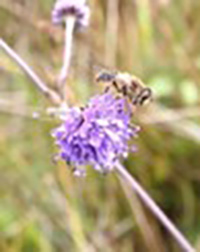
Succisa pratensis - the diet of Marsh Fritillary larvae

Marsh Fritillary larvae web in the sward
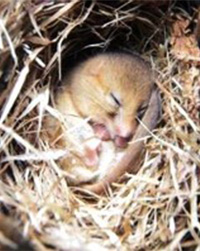
Dormouse
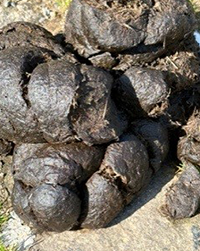
Food for many bugs beetles and insects which are the food source for birds.
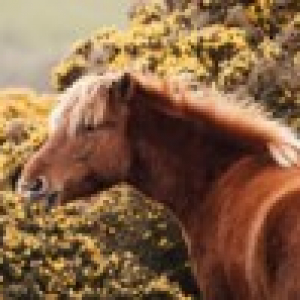
Dartmoor Hill Ponies are invaluable champions of the moor’s biodiversity. Without their unique grazing habits, invasive species like bracken, gorse and purple moor grass quickly spread across the moor, pushing out other plant species and damaging habitats. During summer, purple moor grass makes up 20% of a Dartmoor Hill Pony’s diet. In the UK, the spread of purple moor grass is often at the expense of more diverse upland heath and mire habitats.
The ponies’ grazing habits also create varied height and structure in the sward so that rare species like the dormouse, the March Fritillary Butterfly, Heckford’s Pygmy Moth and the globally threatened Southern Damselfly can thrive in sheltered niches and the warm micro-climate at ground level.
‘Maintaining or improving the quality of these habitats and developing the natural networks which emanate from them, should be the focus of site management.’